There is no requirement to register an overseas marriage in Singapore. A marriage validly contracted abroad is generally recognised here if it complied with the law of the place where it was celebrated and both parties had the capacity to marry under Singapore law. You do not file anything with the Registry of Marriages on your return, and there is no local certificate to collect.
What you do need is documentation good enough to prove the marriage whenever a Singapore agency, bank, insurer or court asks, which they will, at the least convenient moment. This article covers when an overseas marriage counts, when it does not, marrying at a Singapore Overseas Mission, and what the marriage means for HDB, CPF, immigration and any future divorce. The domestic process, for comparison, is in the guide to getting married in Singapore.
When an overseas marriage is recognised here
Two questions decide it, and they are answered by different legal systems.
- Form, the law of the place of celebration. Did the ceremony comply with the formal requirements of the country where it took place? Registration, officiant, witnesses and paperwork are judged by that country’s law, not Singapore’s. A marriage that satisfied local law is not defective here merely because the ceremony would have looked different at ROM.
- Capacity under Singapore law. Were both parties legally capable of marrying each other, judged by the law applying to them? This is where overseas marriages fail.
The practical consequence is blunt: flying somewhere else does not cure a capacity problem. A marriage that would be void in Singapore because one party was already lawfully married, or because the parties fall within the prohibited degrees of kinship, is not rescued by being celebrated abroad. It is void here, and it was void from the beginning. The same applies to a marriage where a party lacked the capacity to consent, and to a marriage under the minimum age without the required consents.
Same-sex marriages contracted overseas are not recognised in Singapore. Couples in that position generally rely on wills, powers of attorney and property structures instead; see legal planning for same-sex couples.
Where a marriage is void as opposed to voidable, the difference determines whether a court order is needed at all and what financial claims survive. That is set out in void versus voidable marriage, and the court route is in the annulment process.
Where an earlier foreign divorce is in the picture
A common failure runs like this: a party divorced abroad, remarried abroad, and moved to Singapore. If Singapore does not recognise the foreign divorce, the earlier marriage never ended here and the second marriage is void. This is not rare, and it usually surfaces during an HDB application or an immigration matter. If a foreign divorce sits anywhere in your history, read recognition of foreign divorces in Singapore and take advice before relying on the second marriage for anything.
Solemnisation at a Singapore Overseas Mission
In some locations, a marriage may be solemnised at a Singapore Overseas Mission where a person there is authorised to solemnise marriages. This is a route for Singaporeans abroad rather than a general service, and availability differs from country to country, and it is not offered at every mission, and where it is offered there may be notice requirements, documentary requirements and limited slots.
If this interests you, contact the specific mission early and confirm what is possible there. Do not plan travel around an assumption. Where the mission route is not available, marrying under local law is the normal course, and the recognition principles above then apply.
Documenting the marriage properly
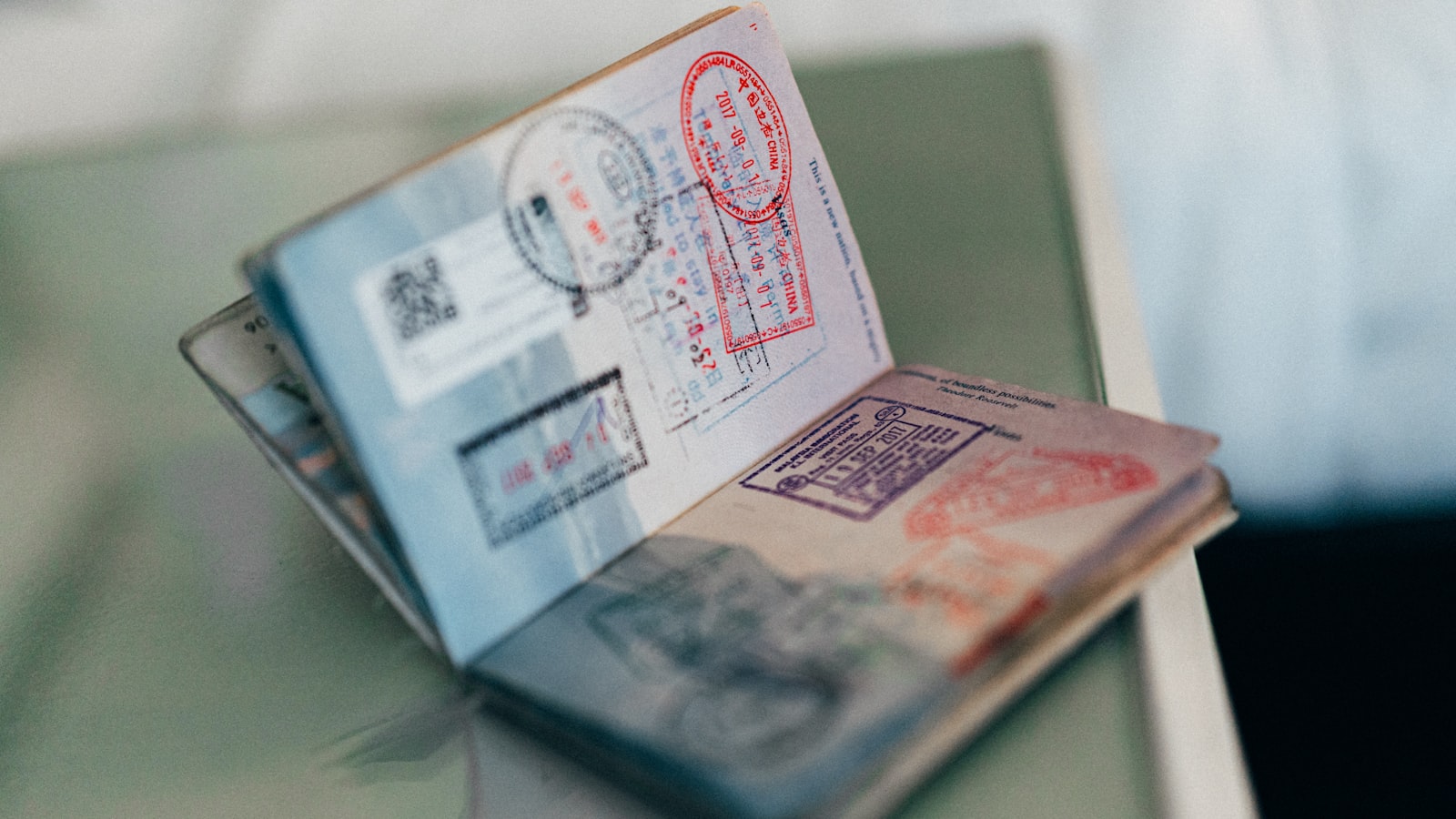
Because there is no local registration, your foreign marriage certificate carries the entire evidential weight. Treat it accordingly.
- Obtain several certified copies before you leave the country. Requesting them later, from another jurisdiction, in another language, is disproportionately painful.
- Arrange a translation into English where the certificate is in another language. It generally needs to be a translation the receiving agency will accept, not one you produced yourself.
- Check whether authentication or an apostille is needed. Some agencies and courts want the document authenticated in the country of issue. That is far easier to arrange while you are still there.
- Keep the originals together with your identity documents, and keep clear scans as well.
Names are a recurring problem. If your name is spelled differently on the marriage certificate and your passport or NRIC, or if a spouse changed their name on marriage in a way Singapore records do not reflect, expect questions. Resolve discrepancies early rather than at the counter.
Where you will actually be asked to prove it
The marriage certificate is not a keepsake. It is an operational document.
- HDB. Housing eligibility is built around family nucleus definitions, and marital status has to be evidenced. This matters again if the marriage later ends; see HDB eligibility after divorce.
- CPF. Relevant to nominations, housing schemes and various applications. Note that marriage does not update a CPF nomination automatically; if yours still names a parent or a former partner, that is where the money goes. See CPF nomination types.
- Immigration. A foreign spouse’s Long-Term Visit Pass or PR application rests on proof of the marriage. Those applications are discretionary in any event; the broader picture is in marrying a foreigner in Singapore.
- Banks, insurers and employers. Joint accounts, beneficiary changes, spousal medical coverage and dependant benefits all ask for it.
- Estate matters. A surviving spouse’s position under the intestacy rules depends on the marriage being provable; see the Intestate Succession Act. Remember too that marriage revokes an earlier will unless it was made in contemplation of that marriage, so a new will is needed after the wedding wherever it took place.
If the marriage later fails
Where you married has no bearing on where you can divorce. Singapore’s courts deal with a divorce where a party is domiciled in Singapore at the start of proceedings, or has habitually resided here for the required period immediately before filing. A couple married in Bali or London can divorce in Singapore on that basis; a couple married at ROM who have both since left may find Singapore is not available to them.
What the overseas element does change is evidence and paperwork. The court will want the marriage certificate and an accepted translation, filed with the originating papers. Where more than one country could hear the case, the choice of forum can materially affect asset division and maintenance, and there is often a practical advantage in filing first; the considerations are set out in divorce for expats in Singapore. If a divorce has already been granted abroad and you need it to take effect here, that is a separate question dealt with in recognition of foreign divorces.
None of this argues against marrying overseas. It argues for spending an hour, while you are still in the country where you married, collecting the documents that will otherwise cost you months later.