
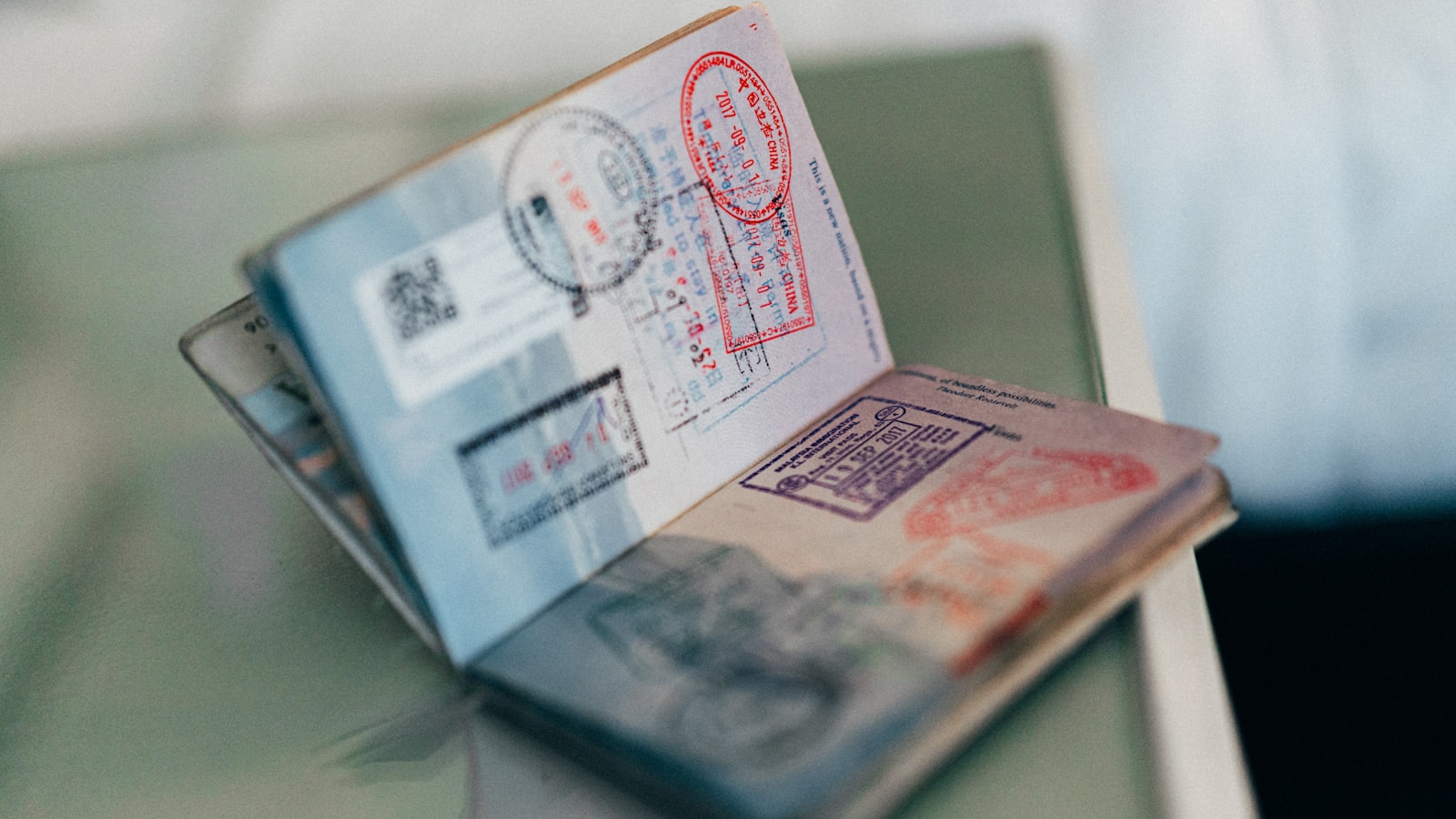
A will made overseas can be valid in Singapore, and often is. The general approach under the Wills Act is that a will is treated as validly executed if it complied with the formalities of the place where it was made, or of the country where the testator was domiciled or habitually resident, or of which they were a national, either at the time the will was made or at death. That is a deliberately generous set of options, designed so that people who move between countries do not have their wills fail on a technicality.
Validity, though, is only the first question. A will can be perfectly valid and still be slow, expensive and awkward to use for Singapore assets. This article covers both: whether a foreign will works here, and whether relying on it is a good idea.
Which law governs which assets
Succession is not governed by one law across the whole estate. It is split by the type of asset, and this is the point most people get wrong.
| Immovable property | Movable property | |
|---|---|---|
| Examples | Land, HDB flats, private apartments, buildings | Bank accounts, shares, insurance proceeds, jewellery, vehicles |
| Governing law | The law of the place where the property is, so Singapore law for Singapore property | Generally the law of the deceased’s domicile at death |
| Practical effect | A foreign will cannot override Singapore rules for Singapore land | A foreign domicile can pull in foreign succession rules, including forced heirship |
So a British national who dies domiciled in the UK holding a Singapore condominium and a Singapore bank account has two different answers in the same estate: Singapore law governs succession to the condominium, and English law generally governs the bank account. Add HDB eligibility rules on top for public housing, and it becomes clear why cross-border estates take longer.
Domicile is doing a lot of work in that sentence and it is not the same as residence. It is closer to the country you treat as your permanent home and intend to return to. People often retain a domicile of origin for decades after leaving, which is exactly why someone who has lived in Singapore for twenty years may still be found to be domiciled elsewhere. It is a question of fact and law, not of where your address is.
Using a foreign will for Singapore assets
Assuming the will is valid, the personal representative still has to get authority recognised in Singapore before any bank or land registry will act on it. There are two broad routes.
Applying for a grant here
The executor named in the foreign will applies to the Singapore court for a grant of probate, relying on the foreign will. The court needs to be satisfied that the will is valid and that the applicant is entitled to act. Practical requirements typically include:
- The original will, or a properly certified copy where the original is held by a foreign court or registry.
- A certified translation where the will is not in English, together with the translator’s affidavit.
- Evidence of foreign law where the will’s validity depends on foreign formalities, usually an affidavit from a lawyer qualified in that jurisdiction, confirming that the will was validly executed there. This is a real cost and a real source of delay.
- The death certificate, documents establishing domicile where that is in issue, and a schedule of the Singapore assets.
Resealing a foreign grant
Where a grant has already been issued by a recognised foreign court, Singapore may recognise it directly by resealing the foreign grant rather than requiring a fresh application on the merits. Where resealing is available it is usually the faster and cheaper route, because the substantive work has already been done abroad.
Resealing is not available for every country’s grants, and it requires that a grant actually exists, so it is no help where the family has not applied anywhere yet. Either way, expect the process to take meaningfully longer than a domestic estate with a Singapore will. The documents have to travel, foreign lawyers have to be instructed, and the court will not move faster than the evidence.
Why a separate Singapore will is usually simpler
For anyone holding assets in Singapore (a flat, CPF-linked arrangements, a bank account, shares, a business interest), a short Singapore will covering only the Singapore assets generally beats relying on a foreign one. The reasons are practical rather than legal:
- No translation and no foreign law affidavits.
- No waiting for an original document held by a registry on the other side of the world.
- Executors who are here, contactable, and able to attend to things.
- A document drafted against Singapore realities: HDB eligibility, CPF nominations sitting outside the will entirely, and local asset types.
The trade-off is that you now have two wills, which introduces its own risk. Anyone planning around more than one jurisdiction should read this alongside the guide to making a will as a foreigner in Singapore.
The revocation clause trap
This is the single most common and most damaging error in multi-jurisdiction estate planning.
Nearly every will opens with a clause revoking all previous wills and testamentary dispositions. It is standard, sensible drafting, at least for a single will. But if you made a will in London in 2015 and then make a Singapore will in 2026 containing the usual clause, the Singapore will can revoke the English will entirely. Your Singapore assets are covered. Your English assets are now intestate, distributed under English intestacy rules to people you may not have chosen, and your family finds out only after your death.
The fix is straightforward and must be done deliberately in both documents:
- Limit the revocation clause expressly, for example by revoking only previous wills dealing with Singapore assets.
- Define the scope of each will expressly, so each is confined to the assets of its own jurisdiction with no gap and no overlap.
- Tell each lawyer about the other will, and give them a copy.
- Review both together whenever either is changed. Amending one in isolation is how the problem is usually created.
Related traps sit nearby. Where spouses have made mutual wills, meaning wills made under an agreement not to revoke them, a later foreign will can breach that agreement and create a claim against the estate, even where the later will is formally valid. Making a new will in another country without checking what you agreed to earlier is a genuine risk.
Forced heirship in the deceased’s home country
Singapore has no forced heirship for non-Muslim estates. Subject to any maintenance claim, you can leave your property to whoever you like.
Many civil law jurisdictions do not work that way. In much of continental Europe, Latin America, the Middle East and parts of Asia, a fixed share of the estate, the reserved portion, must go to children and sometimes a surviving spouse, and a will attempting to override it can be cut back.
How this interacts with a Singapore estate follows the movable/immovable split. Forced heirship rules of the deceased’s domicile can affect movable assets. They do not govern succession to Singapore immovable property, which follows Singapore law. That produces the counter-intuitive but common result that a person from a forced heirship country can leave a Singapore apartment away from their children while the same instruction fails for their bank accounts at home.
The practical consequence is that if you come from such a jurisdiction, you need advice there as well as here. A Singapore lawyer cannot tell you whether your home country’s reserved portion rules will be triggered, and disinherited heirs do sometimes litigate at home and then try to enforce against Singapore assets.
The Muslim position
Where the deceased was Muslim and domiciled in Singapore, the estate is distributed according to Muslim inheritance principles under the Administration of Muslim Law Act, with the Syariah Court issuing an inheritance certificate setting out the beneficiaries and their shares. The distribution of shares under faraid operates regardless of what a will says.
Only a limited portion of the estate can be disposed of by will, and only to persons who are not already faraid heirs, subject to the consent requirements that apply. A will made overseas does not change this. A Muslim testator who made a will in a country with no such rules, expecting it to govern their Singapore estate, will generally find that it does not.
Cross-border Muslim estates are among the most technical situations in this area, particularly where the deceased’s domicile is disputed. Take advice from someone who handles both the Syariah framework and the conflict of laws question, rather than assuming either one settles it.
What to do if you are holding a foreign will now
- Locate the original and find out who holds it. Copies are workable but harder.
- Read the revocation clause in every will you have, and check whether they conflict.
- List your assets by jurisdiction and by type, separating immovable from movable. That list drives everything else.
- Identify your likely domicile, and be honest about it rather than assuming residence settles the point.
- Check what sits outside the will entirely. CPF nominations, insurance nominations and jointly held assets pass under their own rules, in Singapore and often abroad too. The broader wills and probate guide sets out how those pieces fit together.
- Get the two sides talking. The cheapest hour you will spend is the one where your Singapore lawyer and your foreign lawyer read each other’s drafts.


